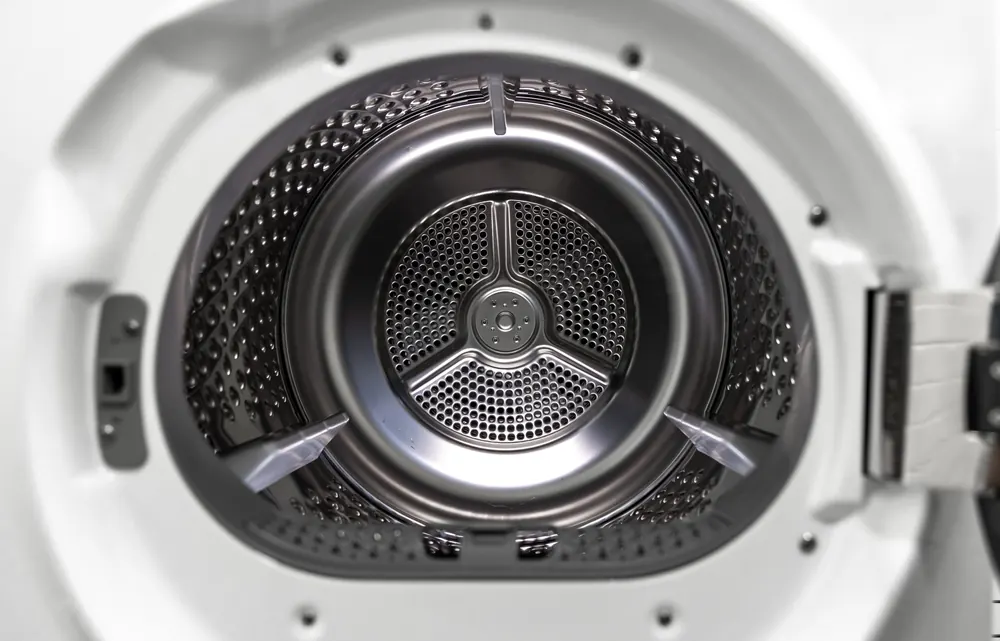
Home appliances
Stiff, heat-resistant compounds for home appliances
Talc- and glass-filled PP, ABS, PBT and alloys for white goods and small appliances, colour-matched to your master and traced lot by lot.
Some appliance parts work hidden inside the machine; others are the face of the product. Tubs, fan shrouds and brackets need stiffness and heat resistance. Housings and control panels need a clean, consistent surface. We compound PP, ABS, PBT and alloys to suit both, colour-matched to your master.
Appliance makers buy on consistency as much as price. We control recipes and process windows in our ERP and check melt flow and colour in our own laboratory. Free product testing is available for regular customers.
What the parts need
-
Stiffness at temperature
Talc- and glass-filled PP keeps tubs, shrouds and brackets rigid near motors and heaters.
-
Colour consistency
Colour measured by spectrophotometer against your master for visible housings and panels.
-
Flame-retardant options
Flame-retardant ABS and PBT for parts near mains wiring, with glow-wire testing in-house.
-
Surface and flow
Excellent-flow PC/ABS and PBT/PET alloys for large, thin-walled housings and fine surface detail.
Typical parts
- Appliance tubs
- Tub covers
- Fan shrouds
- Control panels
- Outer housings
- Motor brackets
- Handles and knobs




Questions buyers ask
Can you match our appliance colours?
Yes. We offer custom colour matching, measured by spectrophotometer against your physical master. Any published grade can be supplied in your colour.
Do you offer flame-retardant grades?
Yes. OSALAC 3000 is a flame-retardant, UV-stabilised ABS, and any published grade can be made flame retardant on request. Glow-wire testing is available in our own laboratory.
Do you supply technical data sheets?
Yes, on request. Relative property ratings for every published grade are on this site, and the technical data sheet carries the numeric values. RoHS and REACH compliance declarations are also available.
Related industries
- AutomotiveUnder-hood, interior, exterior and EV parts
- Electrical & electronicsHousings, connectors, switchgear and lighting parts
- Consumer goodsFurniture, sports and household products in matched colours
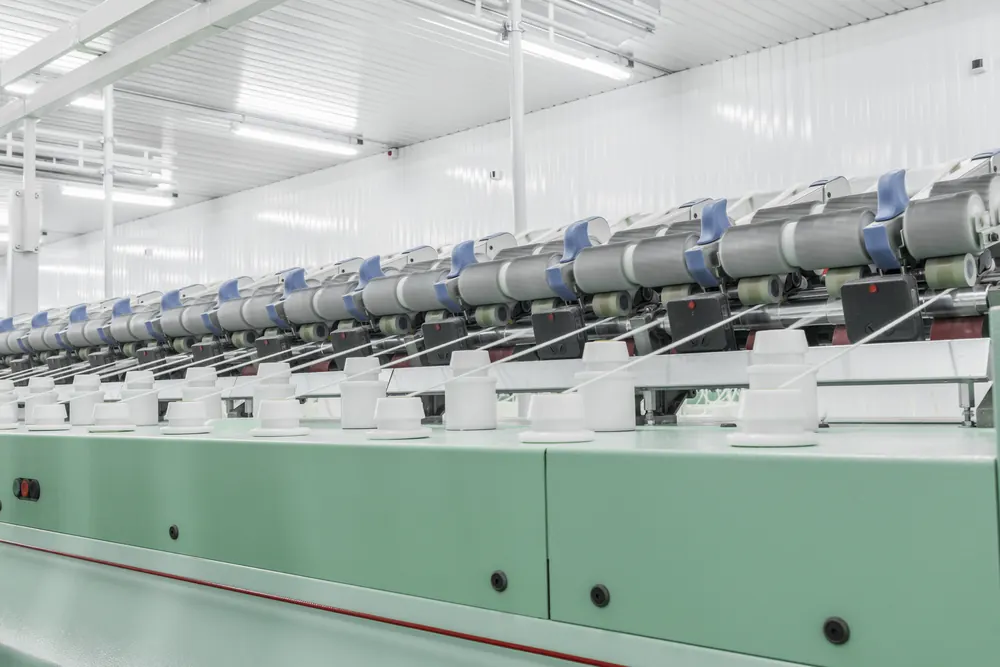
- Industrial & textile machineryGears, bushes, rollers and wear parts for machinery
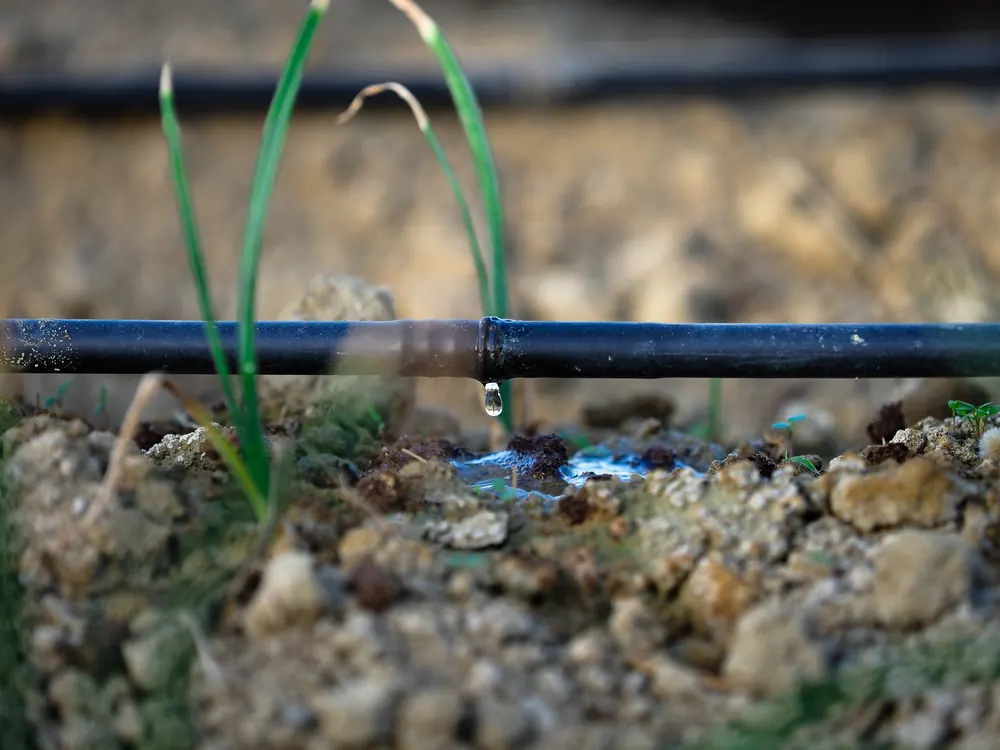
- Agriculture & irrigationUV-stable parts for tractors, sprayers and irrigation
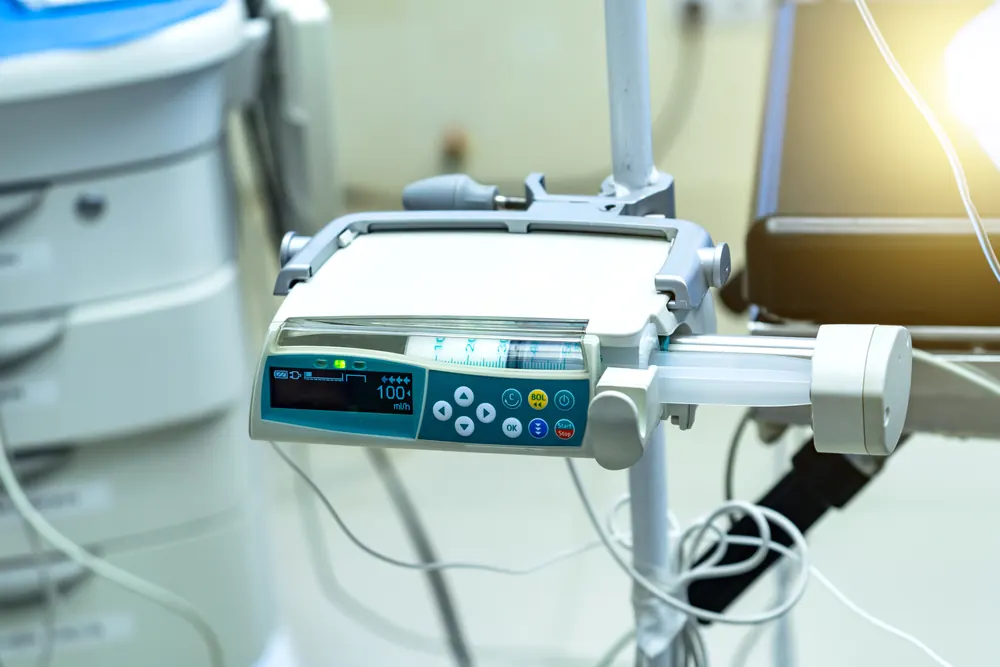
- HealthcareDevice housings and precision mechanical components
- DefenceHigh-strength polyamide parts for demanding equipment
Send us your part
Share the drawing, the current material and the target properties. A materials engineer reviews every request, and a trial formulation follows in 48-72 hours.