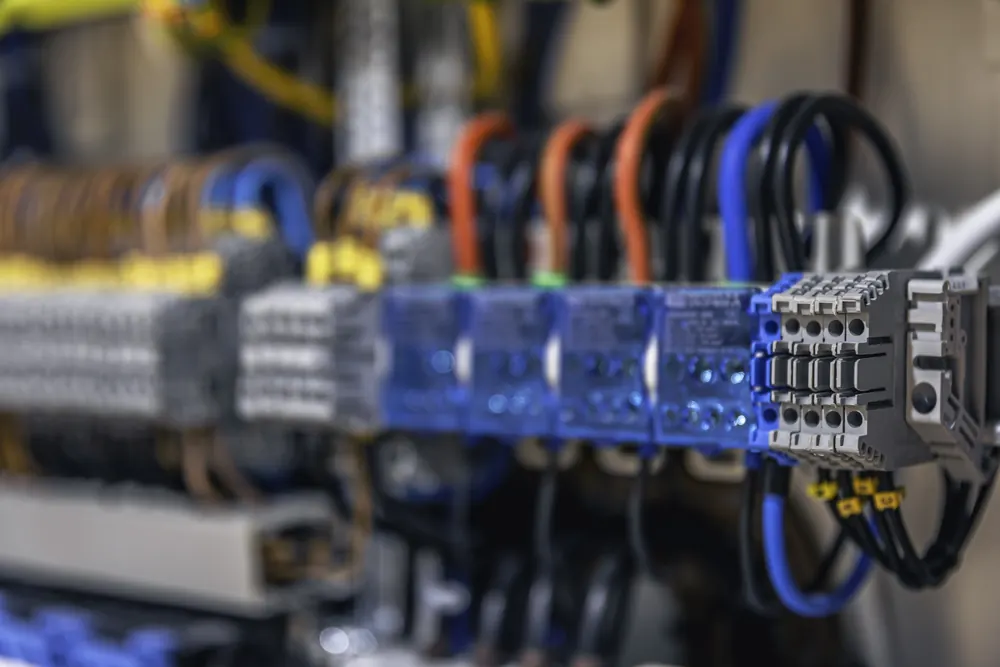
Electrical & electronics
Insulating compounds for electrical and electronic parts
Flame-retardant, glass-filled PBT, nylon, ABS and PC compounds for connectors, housings and switchgear, with glow-wire testing in our own laboratory.
Electrical parts are judged on what happens when something goes wrong. A connector must keep its shape and insulation when it runs hot. A housing must not sustain a flame. We compound PBT, polyamide, ABS, PC and alloys with glass fibre and flame-retardant packages for exactly these conditions.
Electrical and electronics customers account for 11% of our revenue. Our laboratory runs glow-wire, HDT/VSAT, DSC and FT-IR tests in-house, so results stay comparable from one lot to the next. RoHS and REACH compliance declarations are available for our grades.
What the parts need
-
Flame retardance
Flame-retardant packages for PBT, polyamide, ABS and PC, checked on our in-house glow-wire tester.
-
Electrical insulation
Insulating PBT, POM and PC compounds, plus an anti-static PBT grade where charge build-up matters.
-
Dimensional stability
Glass-filled PBT and nylon hold pin positions and snap-fits in thin-walled connectors and terminals.
-
Heat resistance
Semi-aromatic polyamide and glass-filled PBT stay rigid near coils, contacts and power electronics.
Typical parts
- Connector housings
- Relay bases
- Switch components
- Sensor housings
- Lamp housings
- Electrical enclosures
- Power-tool housings
- Power-electronics housings



Questions buyers ask
Can you test glow-wire performance in-house?
Yes. Our laboratory includes a glow-wire tester, alongside DSC, FT-IR, MFI, UTM, Izod impact and HDT/VSAT. External laboratory testing can be arranged on request when your approval needs a third-party report.
Are your grades RoHS and REACH compliant?
Yes. Our grades comply with RoHS and REACH, and we provide compliance declarations together with the technical data sheet for your approval file.
Do you offer anti-static grades?
Yes. OSABATE 5000 is an unfilled anti-static PBT. Other properties, including flame retardance, UV stabilisation and glass reinforcement, can be added to any published grade on request.
Related industries
- AutomotiveUnder-hood, interior, exterior and EV parts
- Home appliancesWhite-goods parts with stiffness, heat resistance and finish
- Consumer goodsFurniture, sports and household products in matched colours
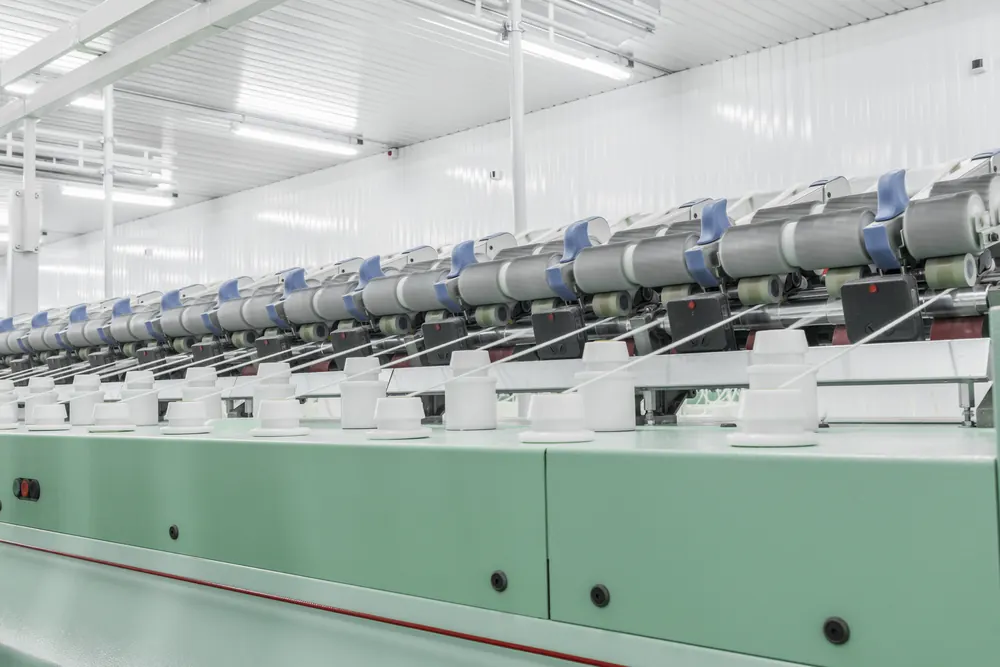
- Industrial & textile machineryGears, bushes, rollers and wear parts for machinery
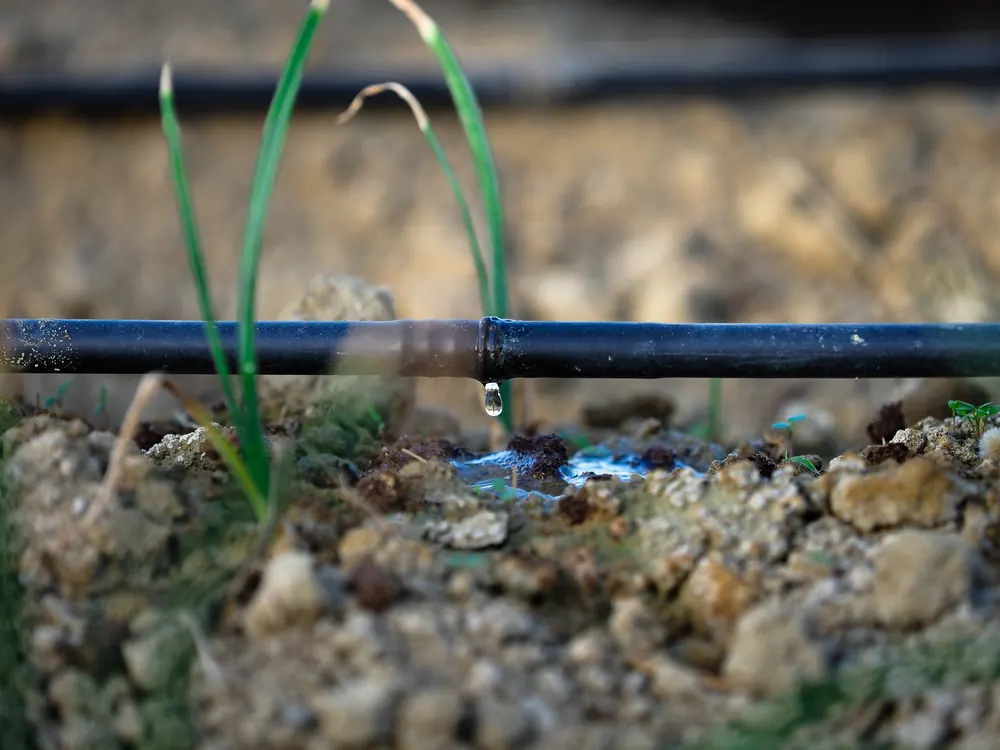
- Agriculture & irrigationUV-stable parts for tractors, sprayers and irrigation
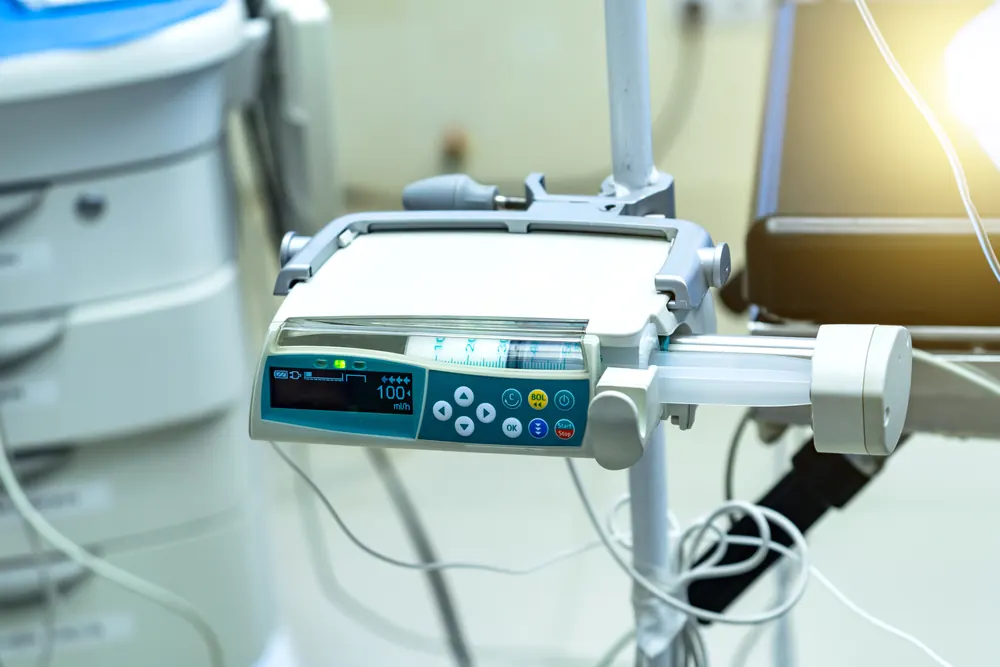
- HealthcareDevice housings and precision mechanical components
- DefenceHigh-strength polyamide parts for demanding equipment


Send us your part
Share the drawing, the current material and the target properties. A materials engineer reviews every request, and a trial formulation follows in 48-72 hours.